

As South Africa continues to debate the introduction of a Basic Income Grant (BIG), also known as Universal Basic Income (UBI) in some parts of the world, new research from the University of KwaZulu-Natal (UKZN) adds compelling evidence to the policy discussion. The findings show that direct cash support can improve mental health outcomes among a group facing a ‘triple burden’ of vulnerability: youth, unemployment, and psychosis.
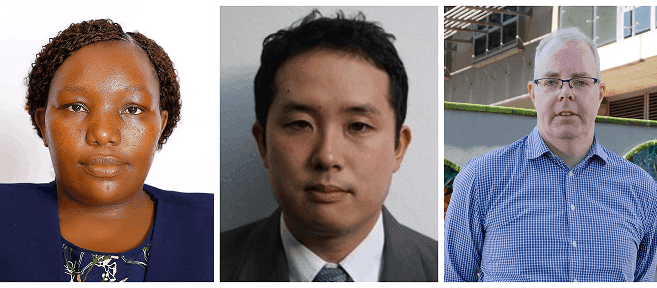
The study, conducted by a multidisciplinary team including Ms Joyce Mlay (UKZN PhD candidate), Dr Lise Jamieson (University of the Witwatersrand), Professor Thirusha Naidu (UKZN), Dr Busisiwe Bhengu (UKZN), Professor Saeeda Paruk (UKZN), Professor Bonginkosi Chiliza (UKZN), Professor Jonathan K Burns (University of Exeter and UKZN), Dr Richard Lessells (UKZN) and Professor Andrew Tomita (Senior author; UKZN), tested whether unconditional cash transfers could support individuals experiencing first-episode psychosis, a severe mental health condition that often emerges in early adulthood.
Carried out across public hospitals in KwaZulu-Natal, the pilot trial involved 60 young adults aged between 18 and 29, all unemployed and recently diagnosed with psychosis. The control group continued with standard clinical care, while the intervention group received R1 350 per month for three months (in addition to standard clinical care). The findings revealed that participants who received the cash support were more likely to adhere to their medication and reported a better quality of life compared to those who did not receive financial assistance.
Mlay noted that many young people with psychosis face significant socio-economic challenges, including the lack of money for transport, food insecurity, and unemployment, all of which can hinder consistent access to care.
Researchers argue that these findings speak directly to national policy discussions around expanding social protection, as all participants indicated that financial support would help them stay engaged in treatment. Tomita echoed this sentiment: “This research shows that when you reduce financial stress, you enable better health-seeking behaviour. Mental health recovery does not happen in isolation from social and economic conditions.”
Although the trial was small and not designed to conclusively measure long-term clinical outcomes, the researchers say it provides critical early evidence that addressing poverty could play a vital role in mental health recovery. By demonstrating that relatively modest cash transfers can improve adherence to treatment, the study suggests that Basic Income Grant could play a preventative role, thereby reducing hospital readmissions and long-term healthcare costs.
In a country where youth unemployment remains critically high and mental health services are under strain, the message is clear that addressing poverty may be as important as prescribing medication.


